Metallurgical cranes refer to bridge-type cranes used in metallurgy, casting and other places for lifting molten metal. They are also called metallurgical cranes. Nowadays, many small cast iron, cast steel and other metal smelting companies are using ordinary single-girder cranes, but due to their design limitations, there are obvious hidden dangers, and the service life is greatly reduced. It is safer to switch to metallurgical driving as required. Compared with cranes used by general enterprises, Dingya metallurgical cranes have the characteristics of frequent use, harsh environment, high security performance and high automation. Starting from the transmission scheme, to the selection of components and wires, as well as component layout, wiring methods, and even electrical the sealing, cooling and other issues of the room and cabinet have been comprehensively considered and designed.
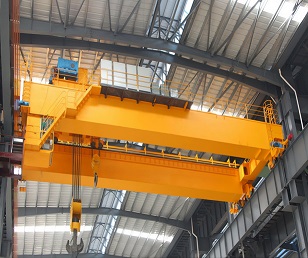
Since there are many types of metallurgical cranes and each completes different tasks, Dingya will meet the needs of various types of cranes based on a variety of transmission control schemes. Some require high efficiency, but have no requirements for speed regulation; some require speed regulation when descending, but no speed regulation requirements when rising; some require speed regulation for both rising and falling; some require fast and reliable braking (electromagnetic braking,Iron brake); some require smooth braking (hydraulic push rod brake). These Dingya metallurgical cranes will be designed in strict accordance with the requirements.Since there are many types of metallurgical cranes and each completes different tasks, Dingya will meet the needs of various types of cranes based on a variety of transmission control schemes. get more details from https://www.dingyacrane.com/.
Some require high efficiency, but have no requirements for speed regulation; some require speed regulation when descending, but no speed regulation requirements when rising; some require speed regulation for both rising and falling; some require fast and reliable braking (electromagnetic braking). Iron brake); some require smooth braking (hydraulic push rod brake). These Dingya metallurgical cranes will be designed in strict accordance with the requirements. The production of metallurgical enterprises is continuous production with excellent efficiency. The cranes responsible for transportation tasks work continuously 24 hours a day and are used very frequently.
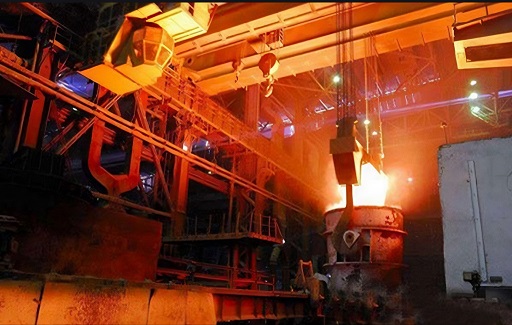
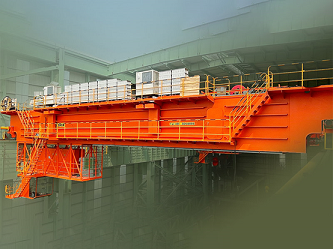
Therefore, Dingya Metallurgical Cranes will maintain sufficient margins in the selection of electrical components and wires. The production of metallurgical enterprises is a joint operation of multiple machines to complete a certain process. Every machine on the production line is required to work reliably, otherwise it will affect the entire production line, and once production is stopped, it will cause huge losses. Therefore, Dingya Lifting uses very reliable electronic control equipment with complete protection.For machines above 300 tons, the overall large reducer model is used, which improves the stress state of the main trolley and avoids the disadvantage of excessive main trolley wheel pressure. It can obtain smaller left and right limits of the trolley and improve the safety and reliability of the lifting mechanism. There are few transmission links and easy maintenance. Small and medium-sized metallurgical cranes use double-girder and double-track single trolleys, double trolleys, and double trolleys. They have light weight, small dimensions, and large extreme dimensions on one side, and can complete the tank dumping action. The metallurgical cranes produced by Dingya Hoisting Machinery Co., Ltd. have high reliability, safety monitoring, and high-configuration performance. We have carefully designed and manufactured a large number of metallurgical casting cranes for major domestic and foreign steel companies, and have been widely used in the metallurgical industry. Good reviews from users.
评论
发表评论